Optical CMM Inspection Services: Fast and Accurate Part Inspection
Sentinel 3D is proud to offer advanced optical inspection services to manufacturers, engineers, and quality professionals in the Puget Sound area. This service provides efficient and repeatable inspections for smaller parts and assemblies. Our multisensor optical CMM has both a camera sensor and a touch probe – a versatile combination that allows for a greater variety of part geometries to be inspected with a single measurement system.
If you are located in the Pacific Northwest, and are interested in engaging with us about your inspection project, please visit our contact page to begin a discussion about your measurement project.
What is an optical CMM?
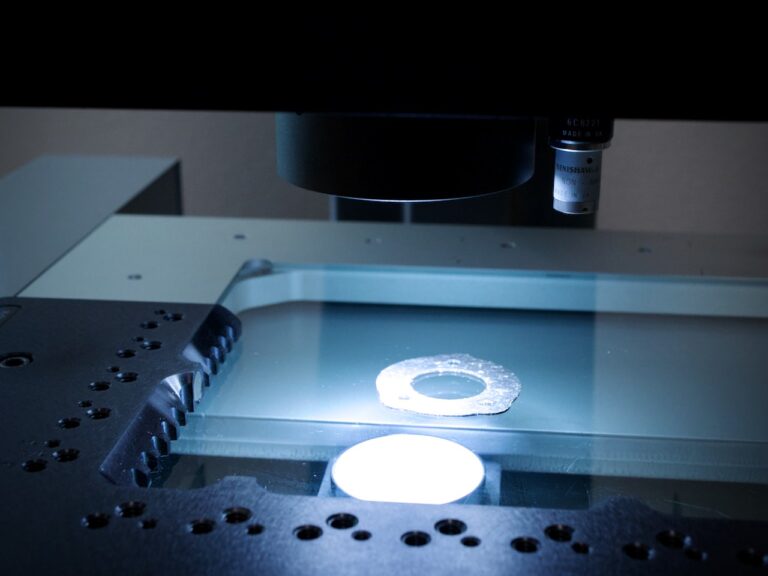
Optical coordinate measuring machines (CMMs) are machines built to measure points in 3D space by moving a camera sensor along 3 perpendicular axes. They are like conventional CMMs in many ways, but they do have some unique characteristics:
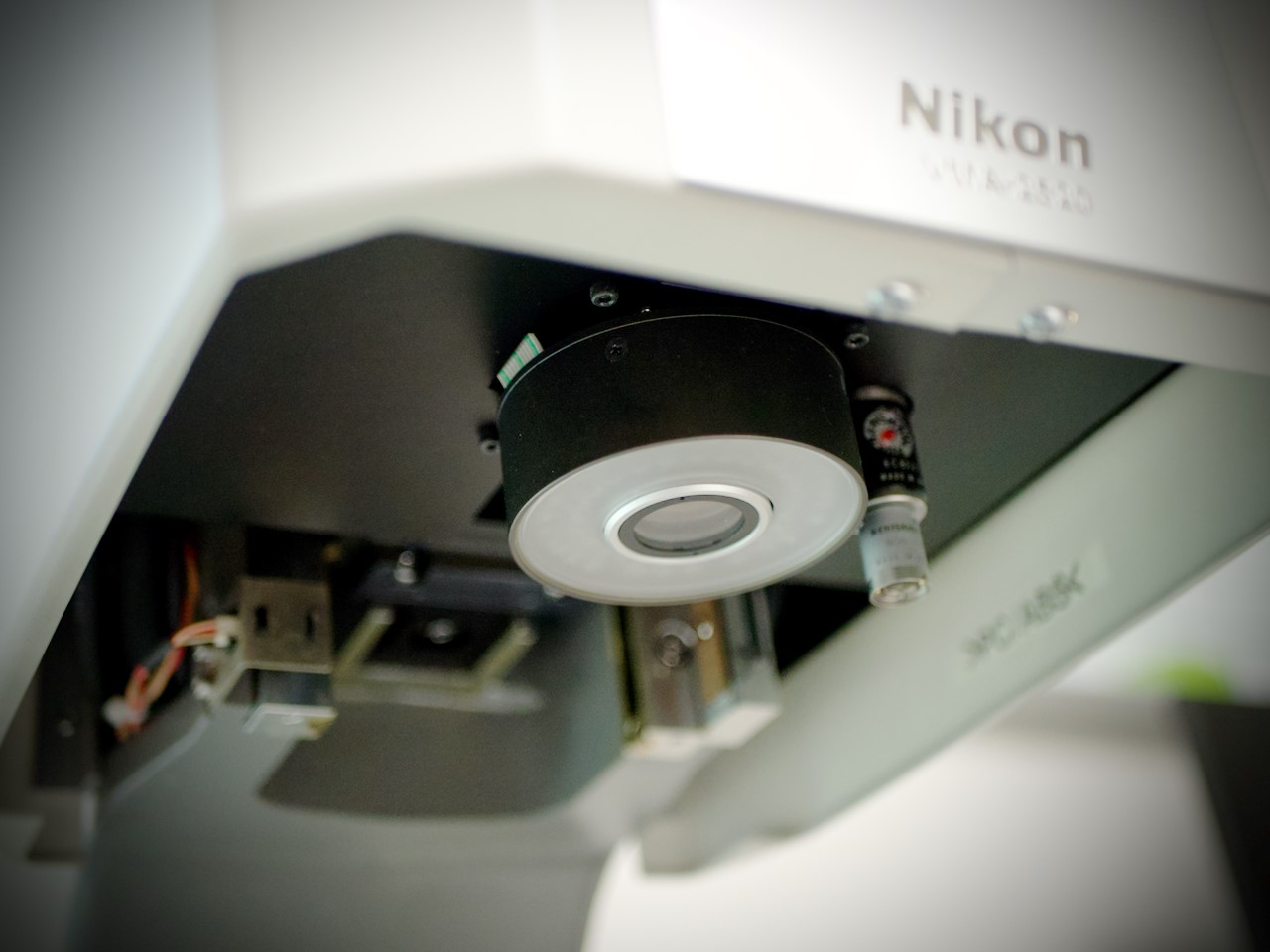
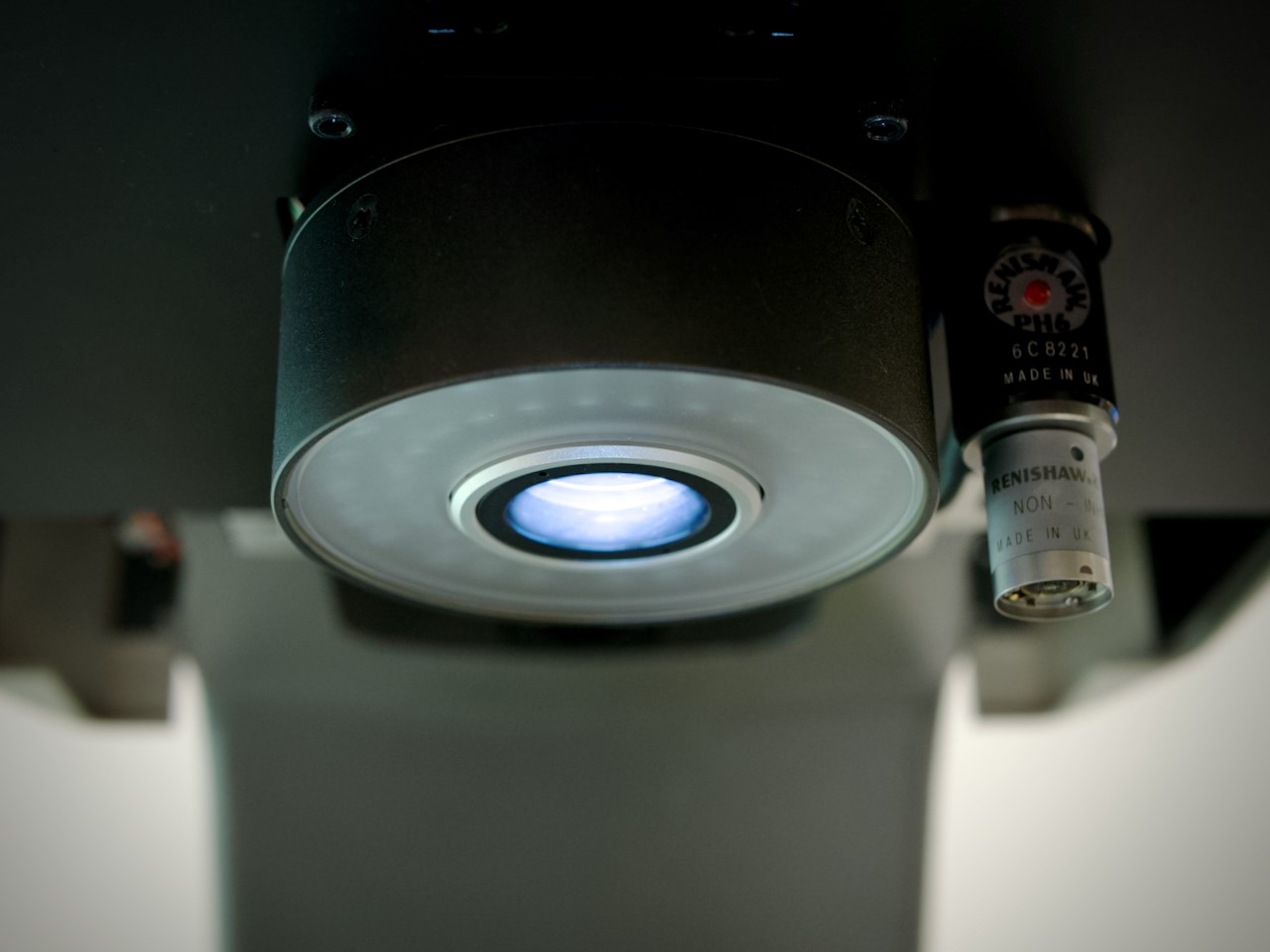
– A camera sensor mounted to the vertical axis
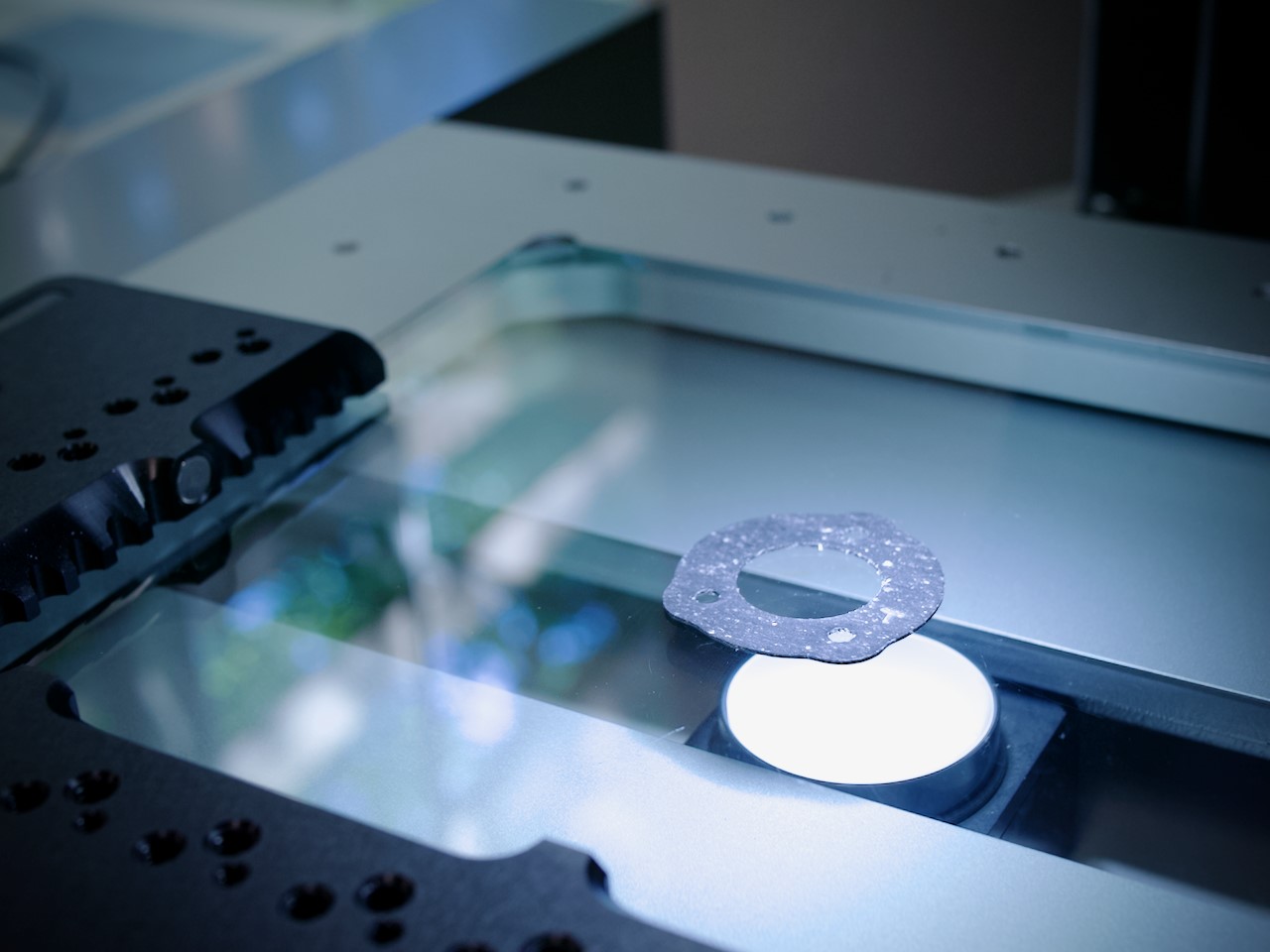
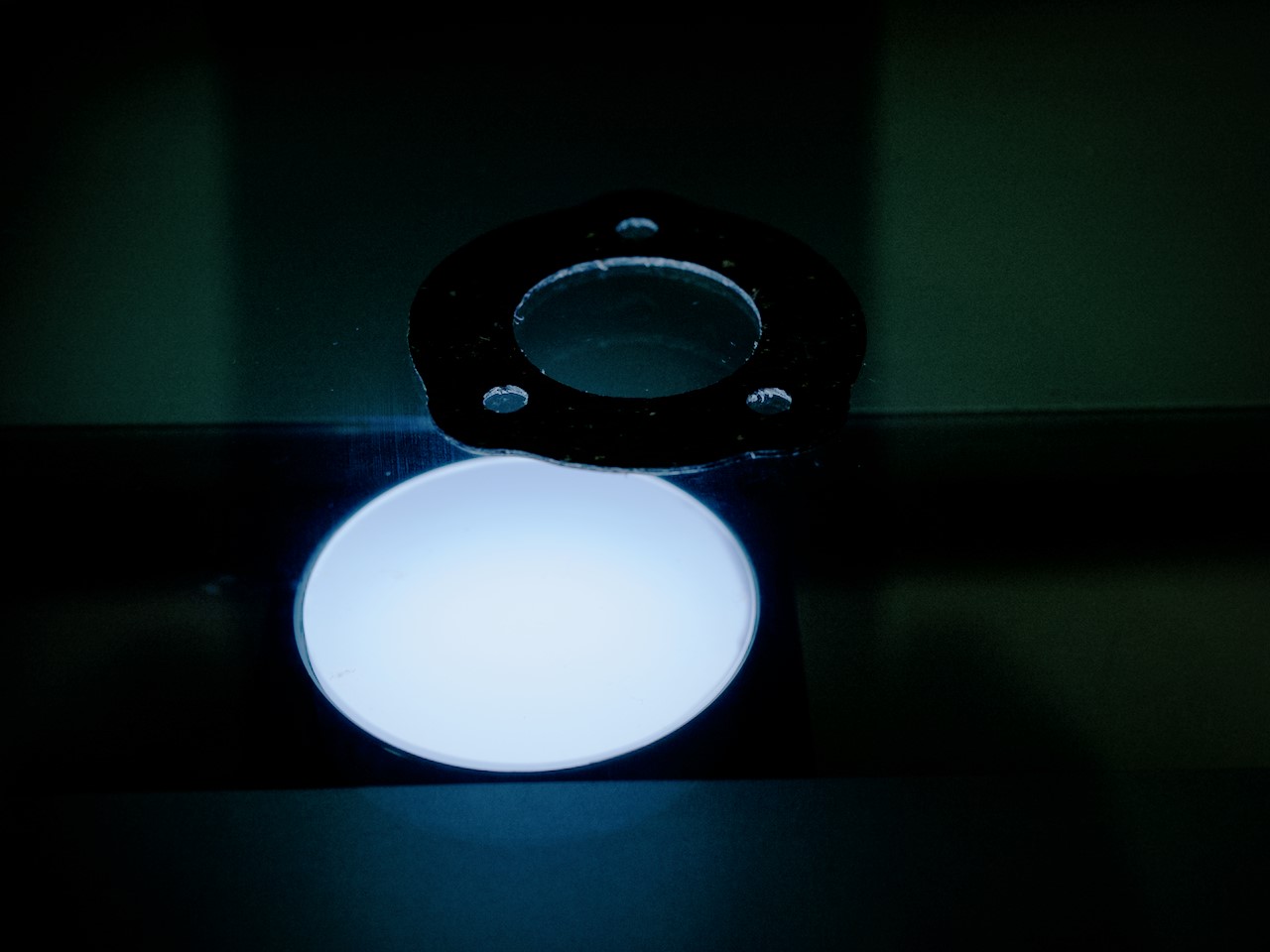
– A glass measurement stage for holding the part or assembly
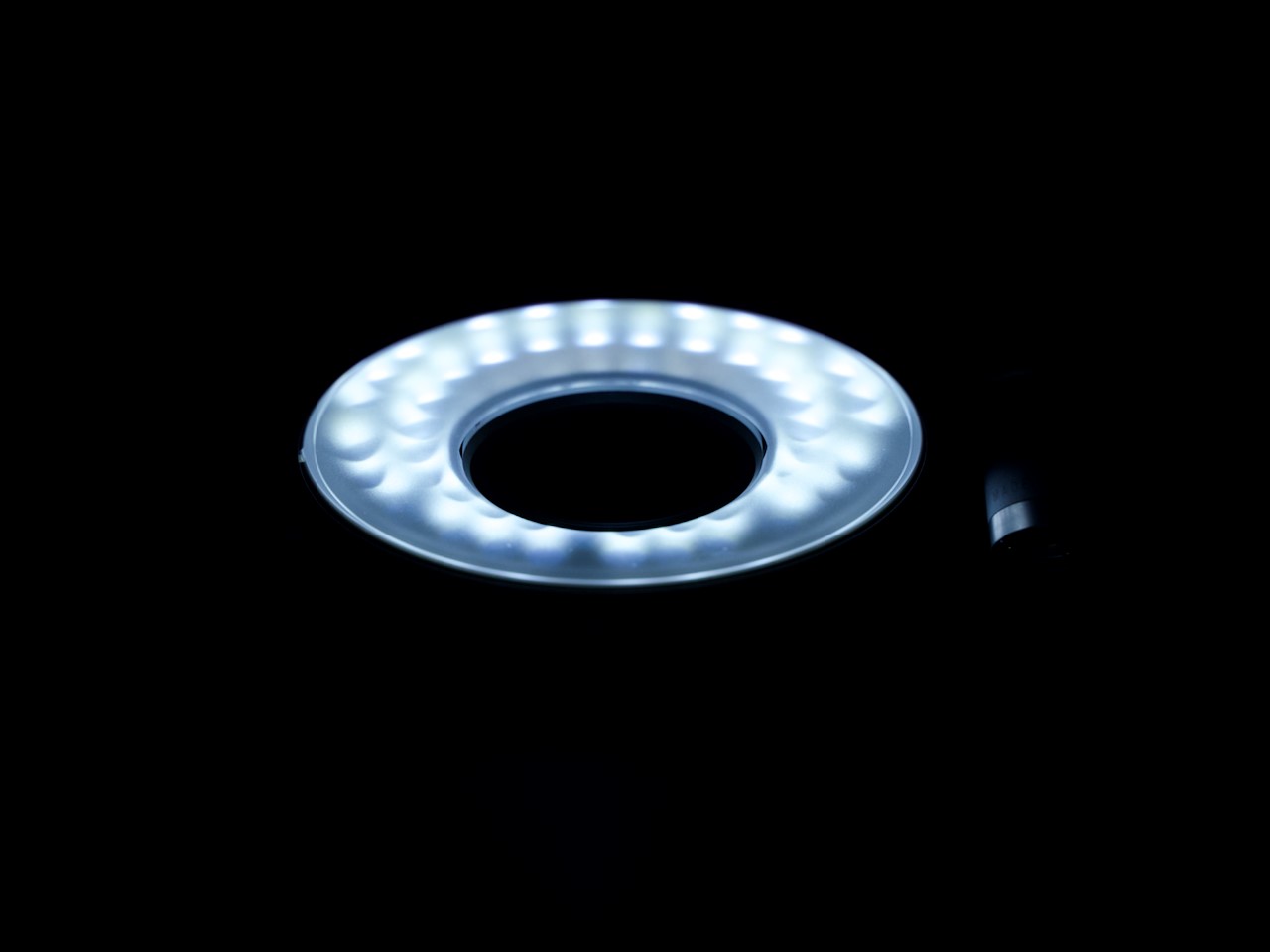
– Various lighting options to illuminate the part during measurement
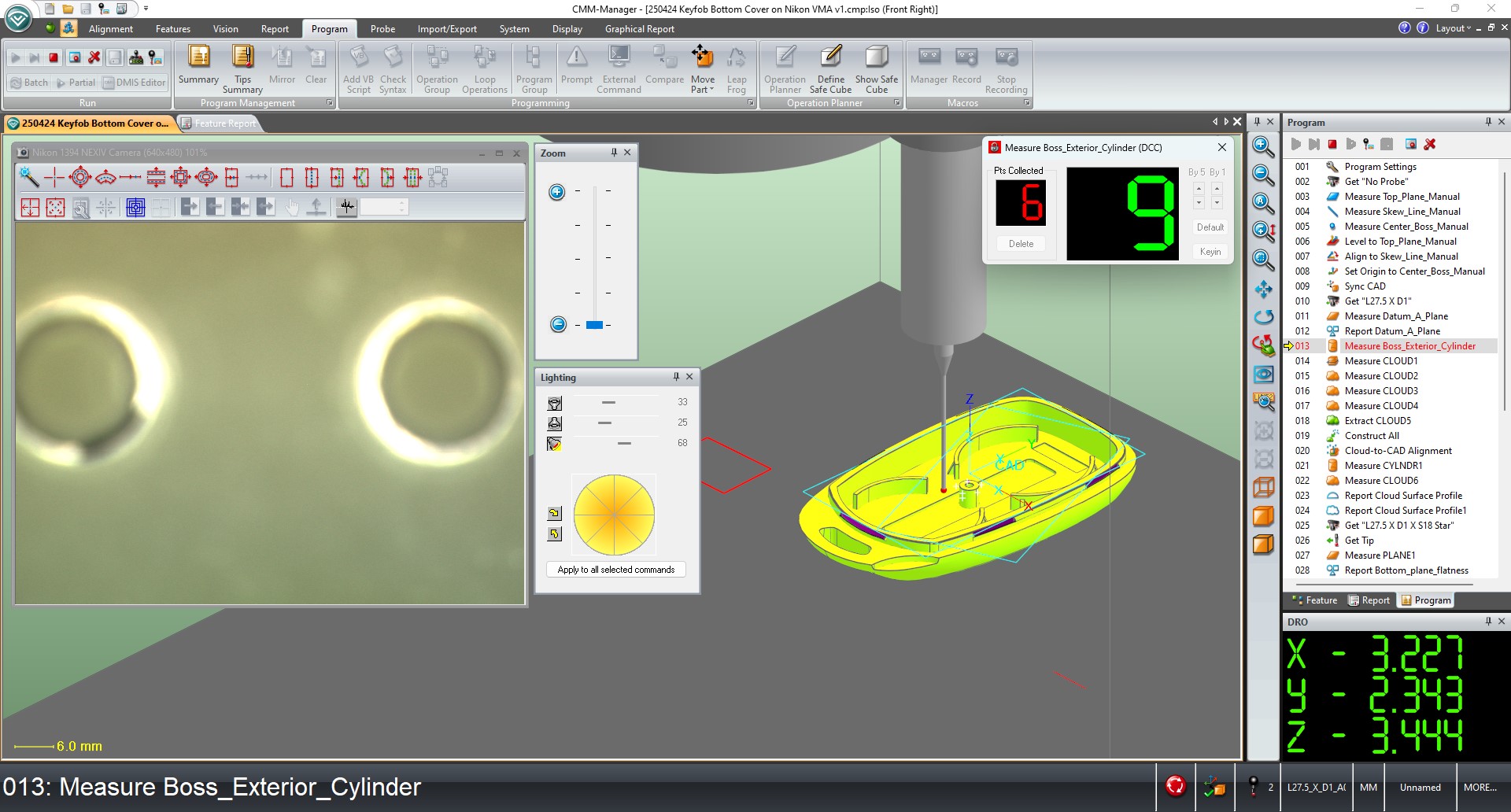
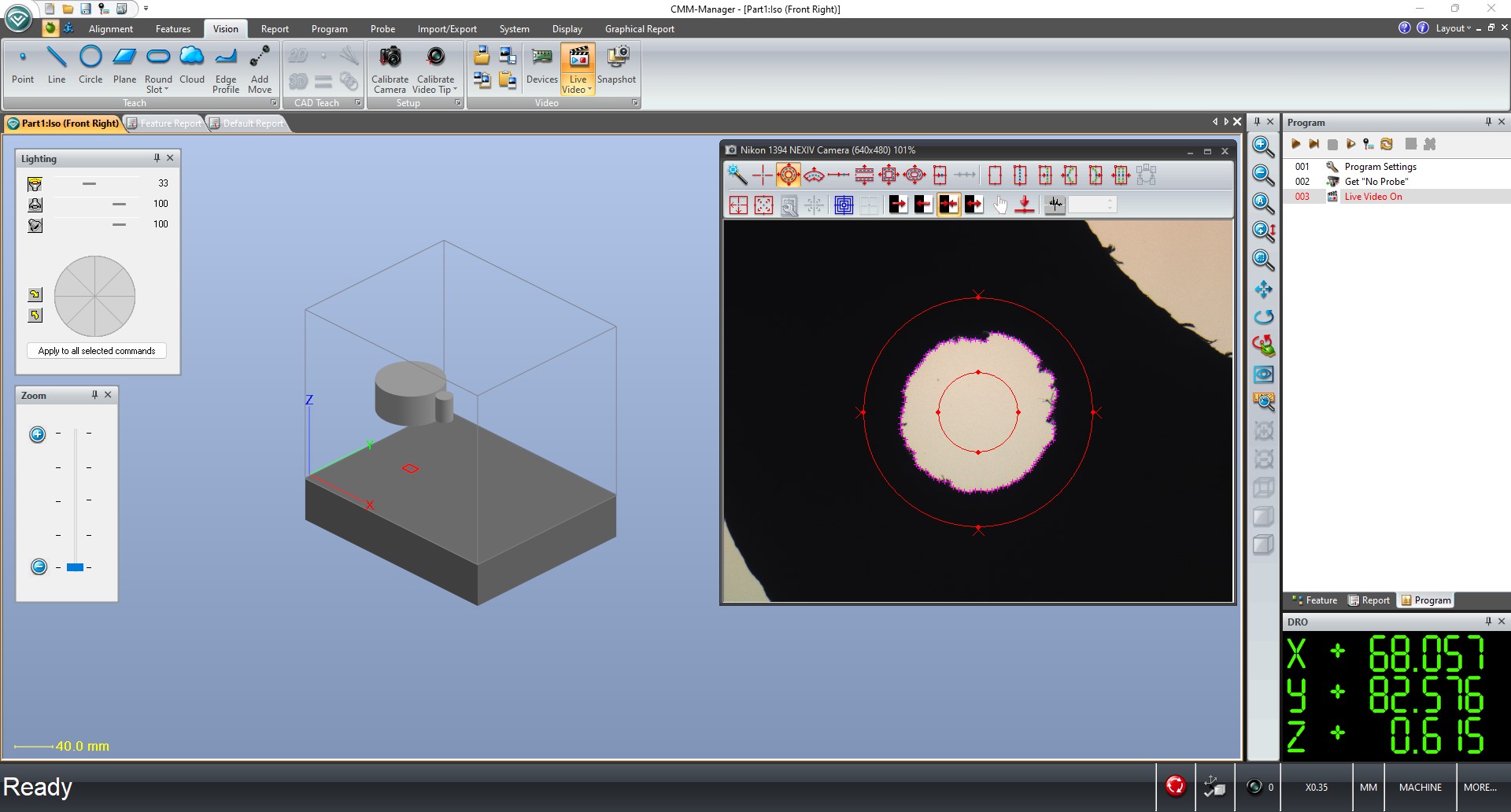
– Special software to receive the camera image and extract measured points from the image
Measurement Sensors Available for Optical CMMs
Although the primary sensor used on optical CMMs are cameras, they also can come outfitted with many types of measurement sensors. Common sensor types include touch probes, lasers, chromatic confocal sensors, interferometers, and low-force touch probes.
Many names for the same measuring device
Easily measure thin, flexible parts and tiny features
Because of the unique designs of optical CMMs, they tend to be better at measured flexible, flat, or highly detailed parts when compared to their conventional CMM counterparts.
– Flexible parts that may bend when measured with a contact tool
– Flat or two-dimensional (2D) parts that don’t have enough thickness to be measured with a spherical probe
– Flat, printed, or 2D features that are visible, but don’t have enough depth to be measured with a touch probe
– Tiny features too small to be measured with touch tools
With these benefits in mind, one can start to realize the many potential applications for an optical CMM. Some examples include:
– Gaskets and seals
– Consumer electronics parts like printed circuit boards (PCBs), printed circuit board assemblies (PCBAS), flexible flat cables, and connectors
– Sheetmetal parts
– Parts with holes < 1mm in diameter
– Portable device frames, midframes, and housings
– Assembly gaps
Our Vision and Touch Measurement Tools
Nikon iNexiv VMA-2520
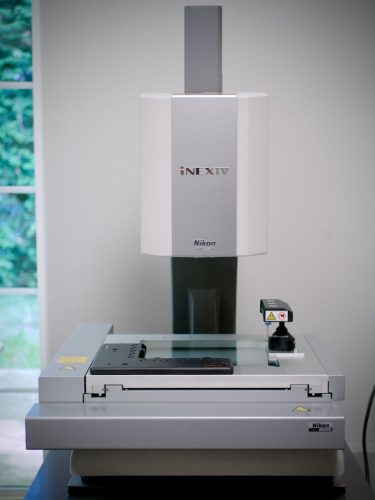
For hardware, we use Nikon VMA-2520 vision measuring machine. This multisensor system provides a balanced set of features and can measure many types of parts and assemblies.
| Measuring volume* | 250 (X) x 200 (Y) x 200 (Z) mm 9.84 (X) x 7.87 (Y) x 7.87 (Z) inches |
| Maximum permissible length error** | EUX,MPE EUY,MPE: 2+8L /1000 μm |
| (L = Length in mm) | EUXY,MPE: 3+8L /1000 μm EUZ,MPE: 3+ /50 μm |
| Camera sensor | Color 640 x 480 pixels |
| Maximum field of view size | 13.3 × 10 mm 0.52 x 0.39 inches |
| Minimum field of view size | 1.33 × 1 mm 0.052 x 0.039 inches |
| Working distance (distance from the lens to the focal plane) | 73.5 mm 2.89 inches |
| Touch Probe | Renishaw TP20 with a maximum stylus length of 60mm |
*Not all parts that fit within this measuring volume are able to be measured with this machine. Contact us to learn if this machine is the right fit for your application.
** Nikon’s in-house test at 20°C ±0.5k
CMM Manager
Our Nikon VMA-2520 vision system is paired with the latest version of CMM-Manager. This software is a versatile CMM software also capable of controlling Nikon optical CMMs. 3D CAD models can be imported, empowering more efficient programming and the evaluation of more complex geometric tolerances.